
 Войти
Войти
 Новости
 Погода
 Магнитные бури
 Время намаза
 Драгоценные металлы
 Конвертор валют
 Кредитный калькулятор
 Курс криптовалют
 Гороскоп
 Вопрос - Ответ
 Проверьте скорость интернета
 Радио Казахстана
 Казахстанское телевидение
 О нас
О нас




Lost in translation: AI hallucinations infecting Wikipedia
Согласно материалам сайта Kursiv.Media, передает Qazaq24.com.
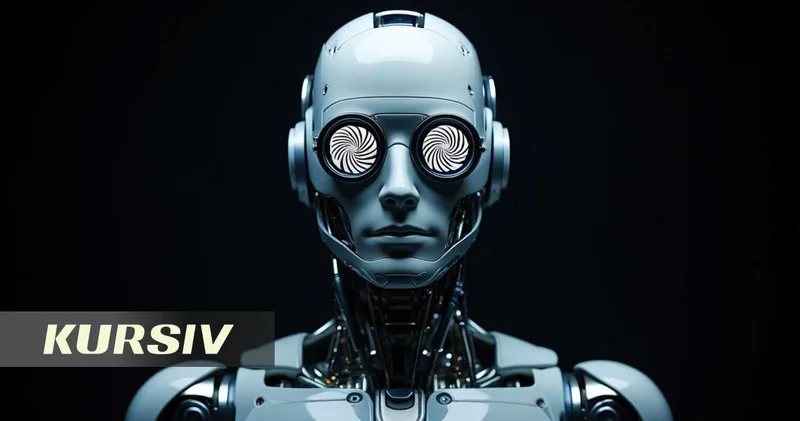
 Wikipedia’s AI problem / Image generated by a neural network, photo editor: Dastan Shanay
Editors at Wikipedia are stepping up efforts to prevent generative artificial intelligence from undermining the accuracy of the world’s largest online knowledge repository.
According to reporting by 404 Media, volunteer editors recently adopted new rules and restricted several contributors who were paid to translate existing Wikipedia articles into other languages using AI tools. The changes came after editors discovered that some of those translations introduced factual mistakes, often described as AI «hallucinations.»
AI translations raise concernsThe translators were associated with the Open Knowledge Association (OKA), a nonprofit that supports contributions to Wikipedia and other open knowledge platforms. The group provides monthly stipends to full-time contributors and translators and uses large language models to automate much of the translation process.
Read also: ChatGPT’s linguistic blunder: Kyrgyz prompts, Kazakh replies.
Problems emerged when editors noticed that some translated articles contained incorrect or fabricated details.
In one example, a draft translation of a Wikipedia entry about the French noble La Bourdonnaye family cited a book and page number to explain the family’s origins. However, a Wikipedia editor, Ilyas Lebleu — who edits under the username «Chaotic Enby» — checked the source and found the referenced page did not mention the family at all.
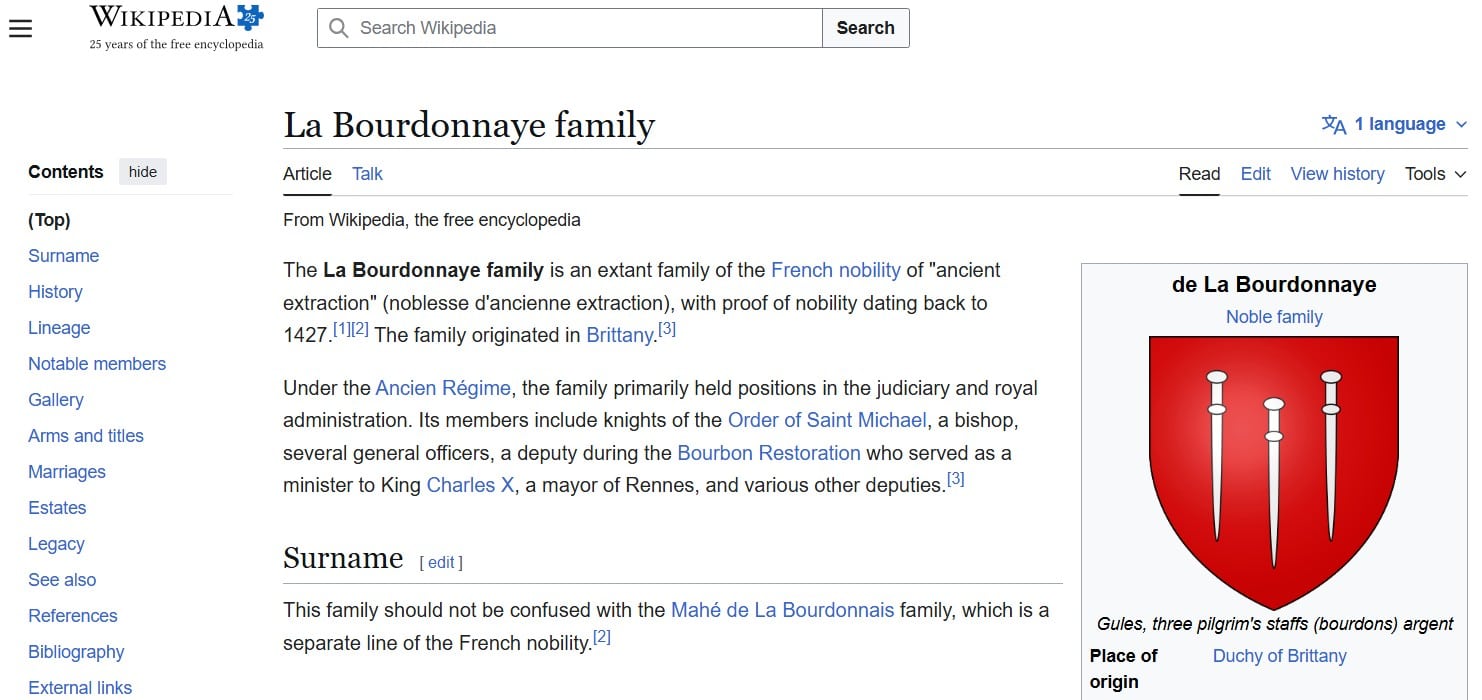 Screenshot: en.wikipedia.org/wiki/La_Bourdonnaye_family
As editors reviewed more OKA-translated articles, they uncovered additional inaccuracies.
Investigation into translation practices
Further investigation revealed that OKA relied largely on contract workers in the Global South. According to editors involved in the review, these contractors were often instructed to copy and paste articles into widely used large language model tools to generate translations.
Read also: Tokayev slams underused KazLLM, warns it’s no match for ChatGPT.
The practice raised concerns that automated translations were being published without sufficient verification of the underlying sources.
New restrictions for translatorsIn response, Wikipedia editors decided not to ban OKA translations outright but instead introduced stricter enforcement measures.
Under the new policy, translators affiliated with OKA who receive four verified warnings for unsubstantiated or incorrect content within six months will be blocked if another violation occurs.
Editors also said that content created by translators who are later blocked for verification failures may be removed unless another trusted editor agrees to review and take responsibility for it.
OKA says safeguards are in placeJonathan Zimmermann, founder and president of the Open Knowledge Association, acknowledged that mistakes can occur but said the organization has safeguards.
Zimmermann told journalists that OKA requires translators to check their work against the cited sources and includes human review as part of the process. He added that senior editors periodically audit samples of translations, particularly those produced by newer contributors.
 Другие новости на эту тему:
 Просмотров:219
 Эта новость заархивирована с источника 12 Марта 2026 11:00






 Самые читаемые