
 Войти
Войти
 Новости
 Погода
 Магнитные бури
 Время намаза
 Драгоценные металлы
 Конвертор валют
 Кредитный калькулятор
 Курс криптовалют
 Гороскоп
 Вопрос - Ответ
 Проверьте скорость интернета
 Радио Казахстана
 Казахстанское телевидение
 О нас
О нас




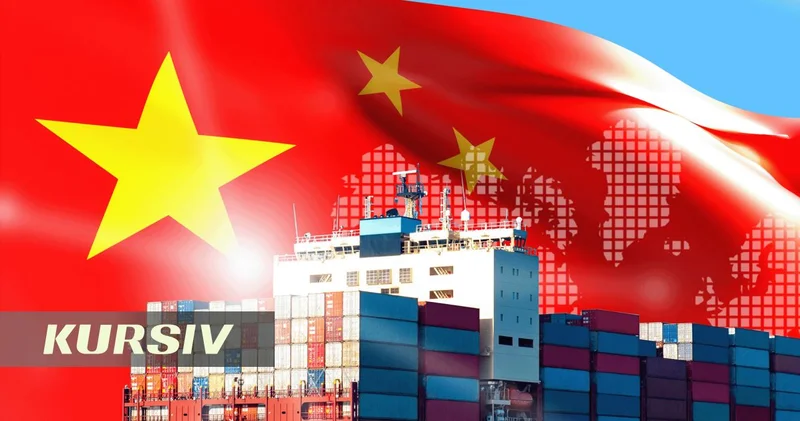
Unstoppable? Why trade wars fail to dent China’s industry
Как передает Qazaq24.com, основываясь на информации сайта Kursiv.Media.
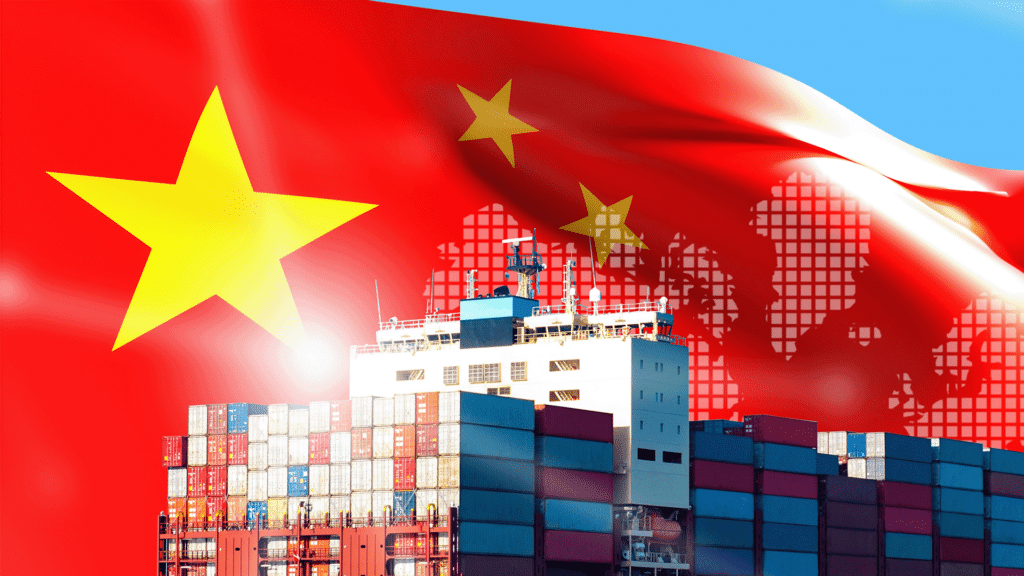 Why China’s industrial engine is winning / Collage by Kursiv.media, photo editor: Akhtam Ziperov
Many Western policymakers see tariffs and anti-subsidy actions as effective ways to chip away at China’s dominance in manufacturing. That assumption may offer political reassurance, but it misreads the foundations of China’s industrial strength, argues tech entrepreneur and writer Robin Rivaton.
Industrial density over national championsAccording to Rivaton, China’s leadership in manufacturing is not built primarily on a handful of state-backed giants. Instead, it rests on extraordinary industrial density. The typical Chinese factory employs roughly 10 workers and operates with modest fixed assets. Most of these small and midsize firms receive little to no direct government subsidy.
Read also: China’s ‘brain gain’: Top tech talent abandons the American dream.
What sets China apart, Rivaton explains, is the dense web of relationships among companies. Across the country, thousands of regional clusters bring together firms that often produce similar components. Within a single cluster, dozens of businesses may manufacture variations of the same part, each with distinct technical expertise, supplier networks and customer ties.
If one company shuts down, its engineers and managers rarely leave the ecosystem. They tend to regroup quickly under a new legal entity, carrying forward their technical knowledge and commercial relationships. This constant recombination strengthens the broader industrial fabric.
The role of the «Little Giants» policy
Beijing has reinforced this ecosystem through targeted initiatives such as the «Little Giants» program, launched in 2018. The policy is designed to nurture highly specialized, technologically advanced firms in strategic sectors. Rather than simply propping up large exporters, it aims to deepen capabilities across entire supply chains.
Domestic demand as a strategic pillarWestern trade strategies often rest on the belief that Chinese manufacturing depends overwhelmingly on foreign buyers. Rivaton challenges that premise. When Beijing backs producers of electric vehicles, solar panels, batteries or industrial equipment, it is not solely pursuing export growth. It is also cultivating domestic demand.
Read also: China’s auto price war sends shockwaves into Kazakhstan’s car market.
Although China remains the world’s largest exporter of manufactured goods, in many industries it is also the primary consumer of its own output. This internal market provides an additional layer of resilience against external pressure.
Limited leverage from tariffsRivaton concludes that tariffs may slow China’s momentum at the margins, buying competitors time to adjust. But trade barriers alone cannot replicate — or dismantle — the kind of deeply rooted industrial ecosystem that underpins China’s manufacturing power.
 Другие новости на эту тему:
 Просмотров:229
 Эта новость заархивирована с источника 23 Февраля 2026 19:07






 Самые читаемые